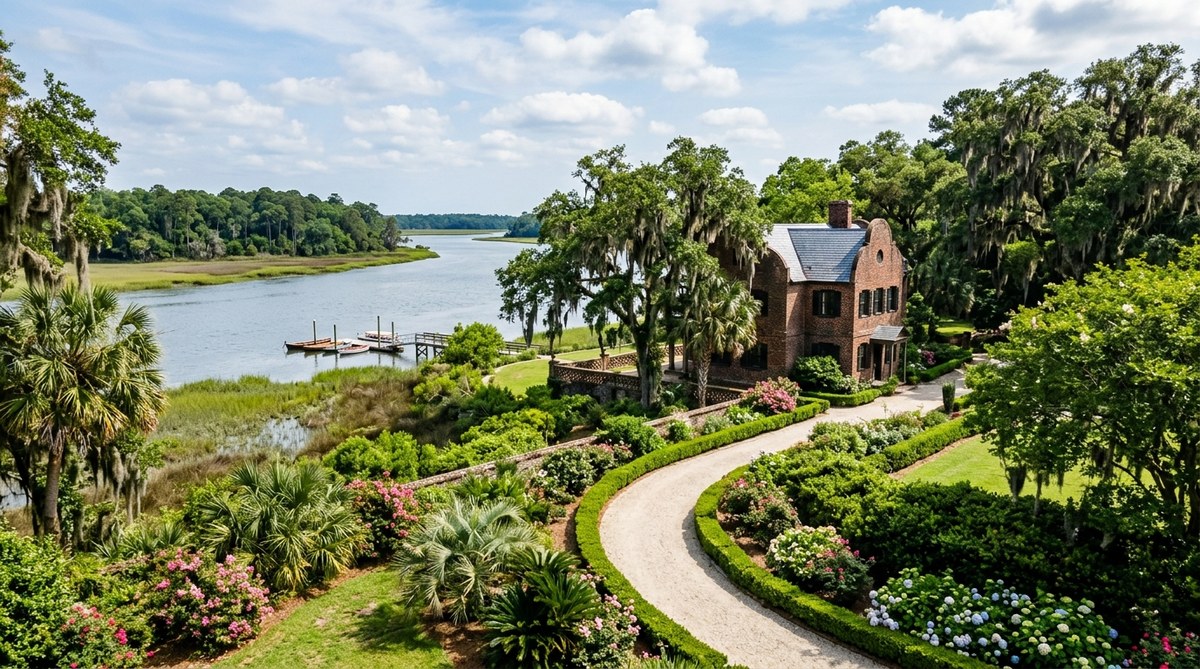
Historic Sites in the Lowcountry You Should Visit
Historic Sites in the Lowcountry You Should Visit The Lowcountry is more than a pretty coastline and a culinary scene. It is a living tapestry of American history, from colonial streets and plantation lore to battlefield memory and museum displays that illuminate generations of coastal life. If you are planning a trip that dives deep…
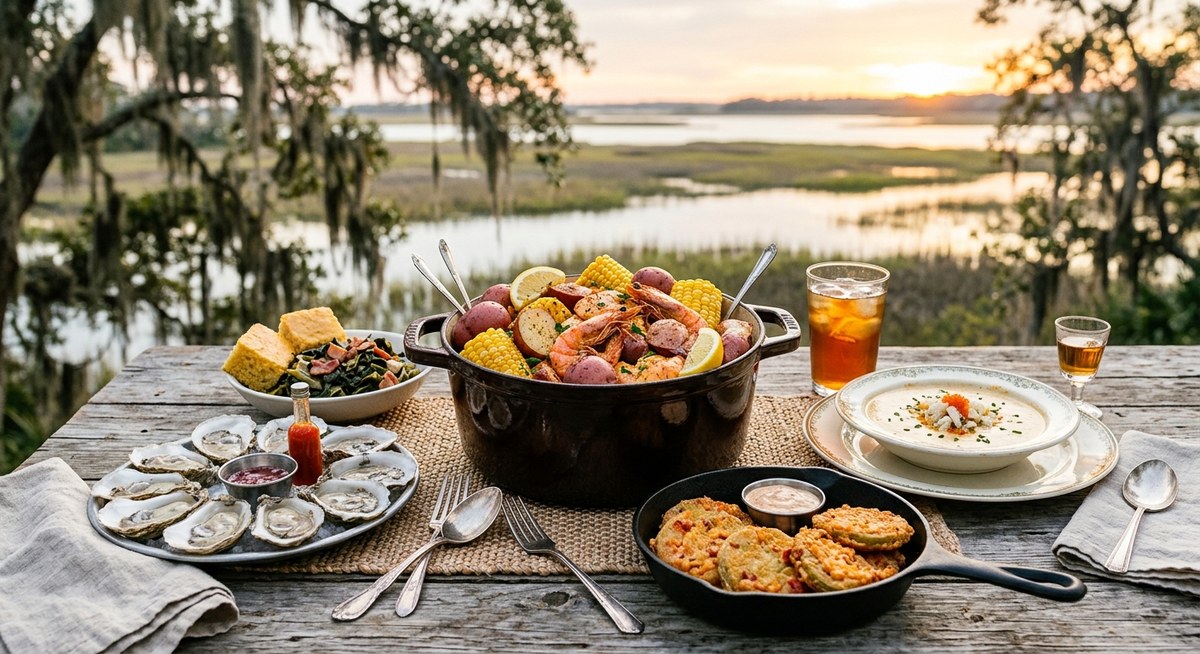
Lowcountry Food Guide: Must-Try Local Dishes
Lowcountry Food Guide: Must-Try Local Dishes If you are a food lover chasing a true sense of place, the Lowcountry offers a culinary coastline like no other. This vibrant region blends sea life straight from the Atlantic with rice field history and a generous helping of Southern hospitality. At LowcountryNewspapers.net we cover food and dining…
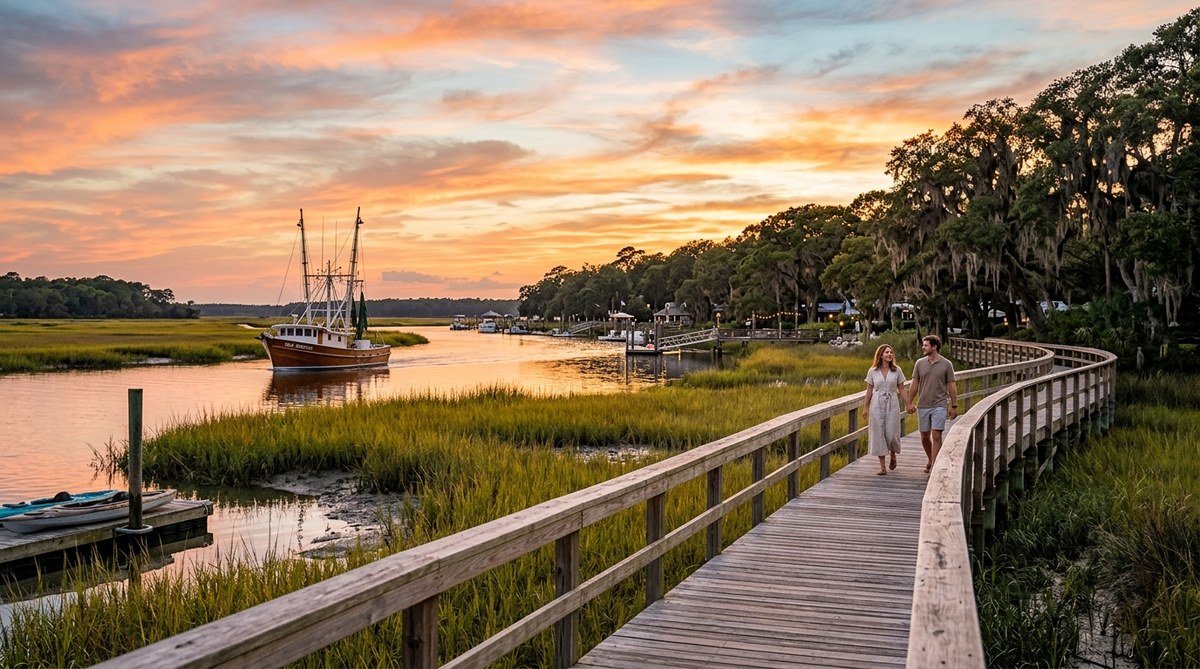
Best Things to Do in the Lowcountry This Season
Best Things to Do in the Lowcountry This Season The Lowcountry is waking up with seasonal shimmer, inviting travelers and locals alike to slow down and savor the coast. From tide-swept marshes and centuries old plantations to bustling markets and vibrant arts scenes, there is no shortage of ways to fill your days with wonder…
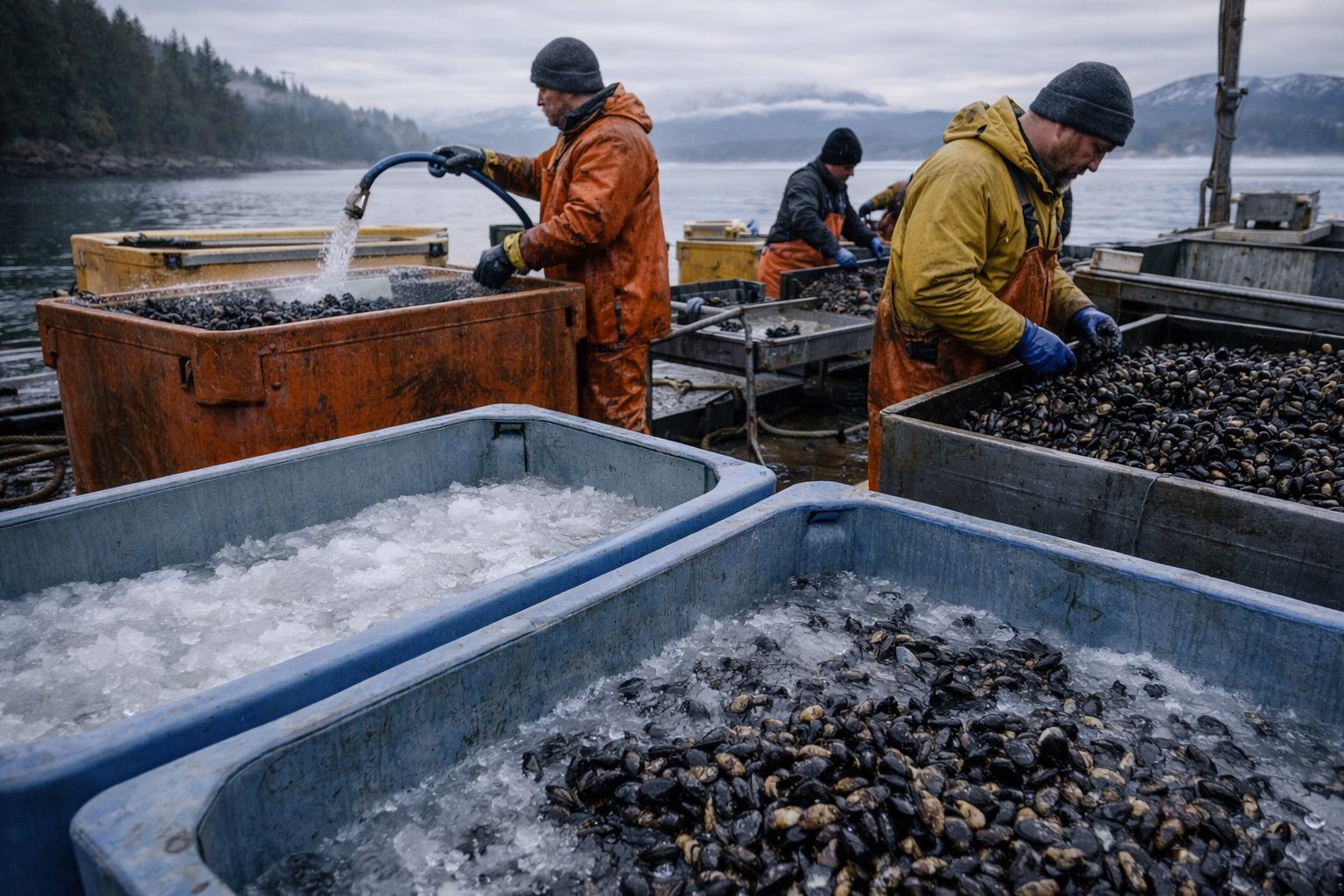
From Rope to Restaurant: The People Behind Mussels
At 3 a.m., while most of Seattle is still asleep, refrigerated trucks roll out toward markets, restaurants, and the airport carrying shellfish that, in many cases, were still in the water the day before. That early-morning departure time is a tell: this is an industry built around clocks, tides, and cold. At Penn Cove on…
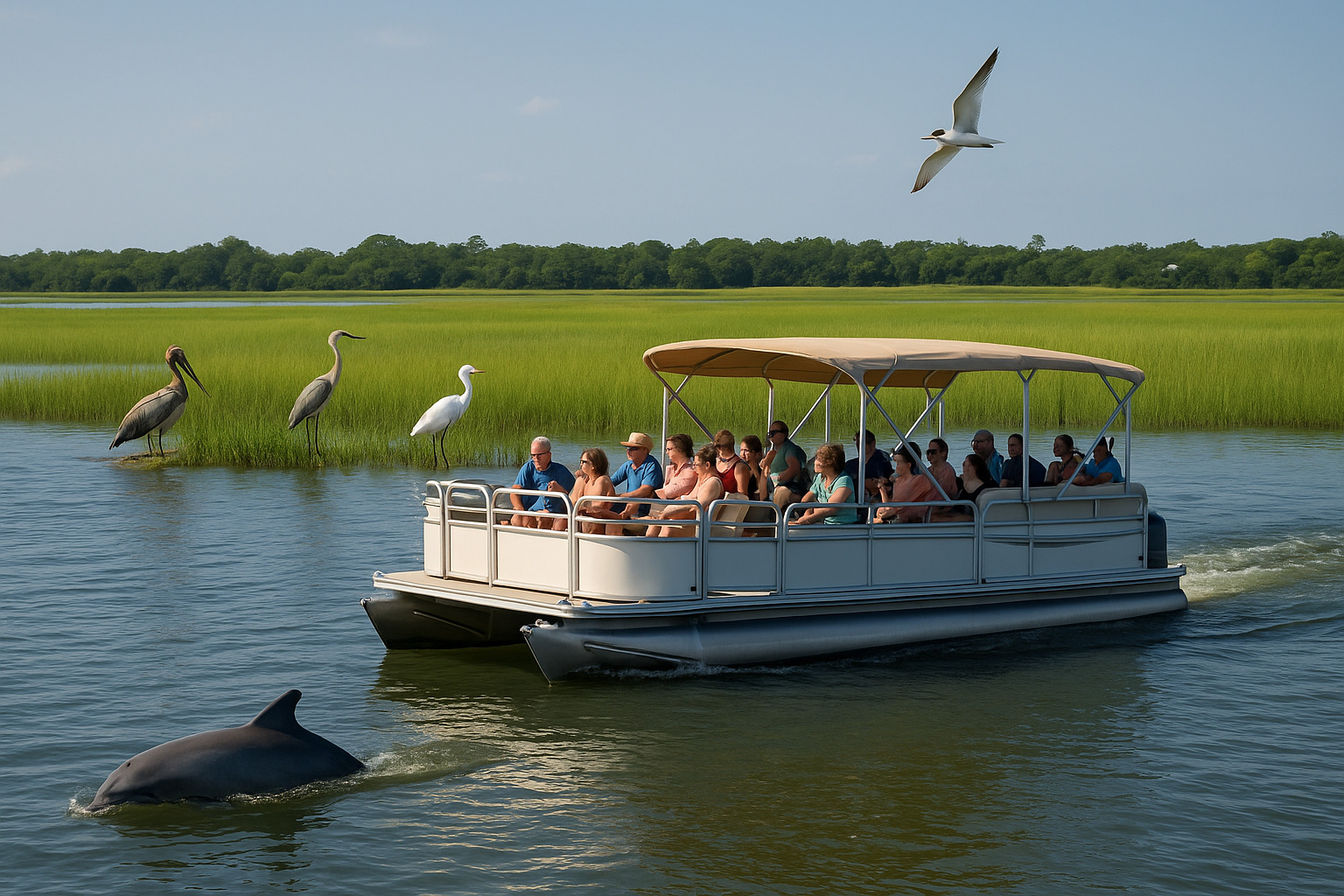
Lowcountry Boat Tours: Exploring Waterways and Wildlife by Boat
Lowcountry boat tours provide an authentic look at the natural beauty and wildlife of South Carolina’s coastal waterways. From Charleston to Beaufort to Hilton Head, these tours take passengers through marshes, tidal creeks, and barrier islands that define the region’s landscape. Whether you’re seeking wildlife, scenic views, or a deeper understanding of the coastal environment,…
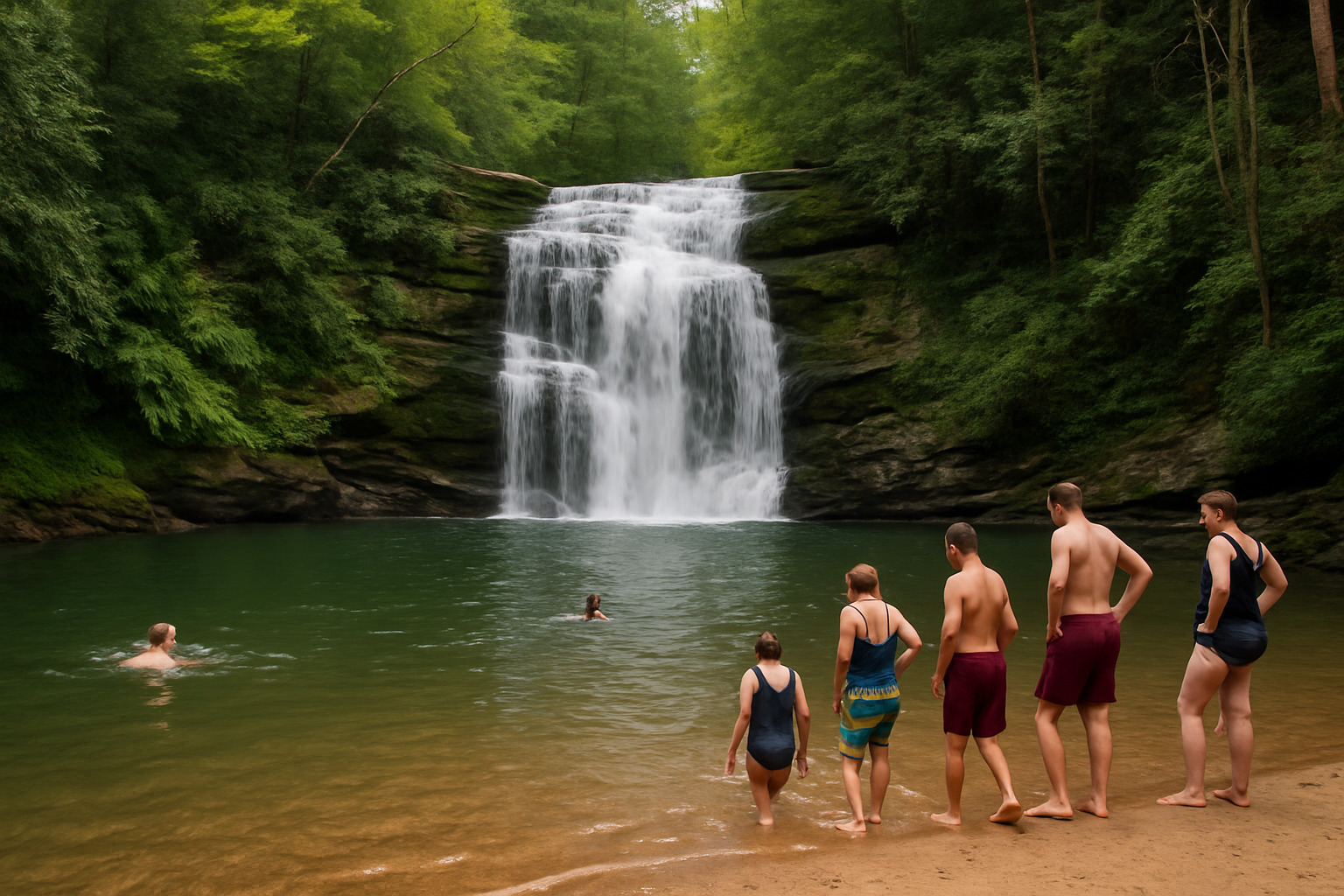
Exploring Lowcountry Waterfalls and Hidden Swimming Holes
Waterfalls in the South Carolina Lowcountry are nearly impossible to find—but not for lack of natural beauty. The region’s marshes, estuaries, and slow-moving rivers define its landscape, leaving little room for the sharp elevation drops needed for cascading falls. If you’re chasing waterfalls, head to the Upcountry. But if you’re in the Lowcountry and seeking…

Lowcountry Desserts You Must Try: Sweet Treats and Where to Find Them
Lowcountry cuisine stands out for its deep Southern roots and bold flavors. The desserts are no exception. Rooted in African, French, and English influences, these confections offer more than sweetness—they serve stories passed down through generations. Whether you’re walking the cobblestone streets of Charleston or relaxing on the Savannah waterfront, these are the Lowcountry desserts…
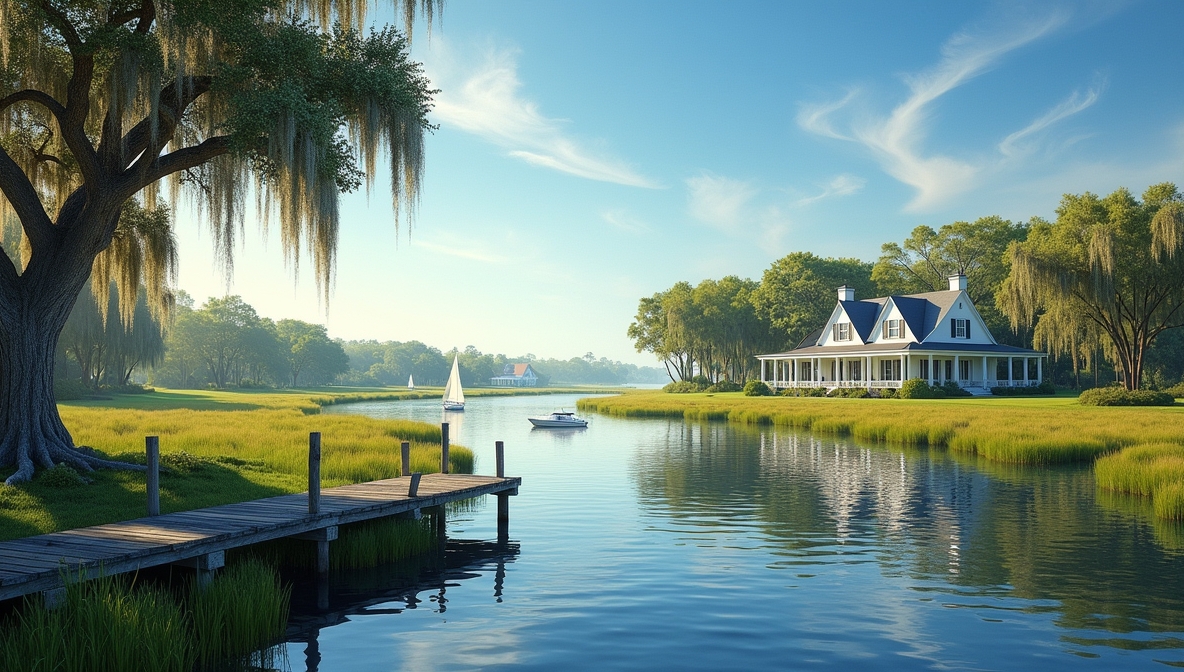
Retiring in the Lowcountry: A Dream Destination or Financial Challenge?
Retiring in the Lowcountry offers a mix of scenic beauty, mild weather, and a relaxed pace of life. The coastal charm, historic towns, and strong sense of community make it a sought-after destination for retirees. But is it financially feasible? While South Carolina provides tax incentives and relatively low property costs, rising living expenses and…
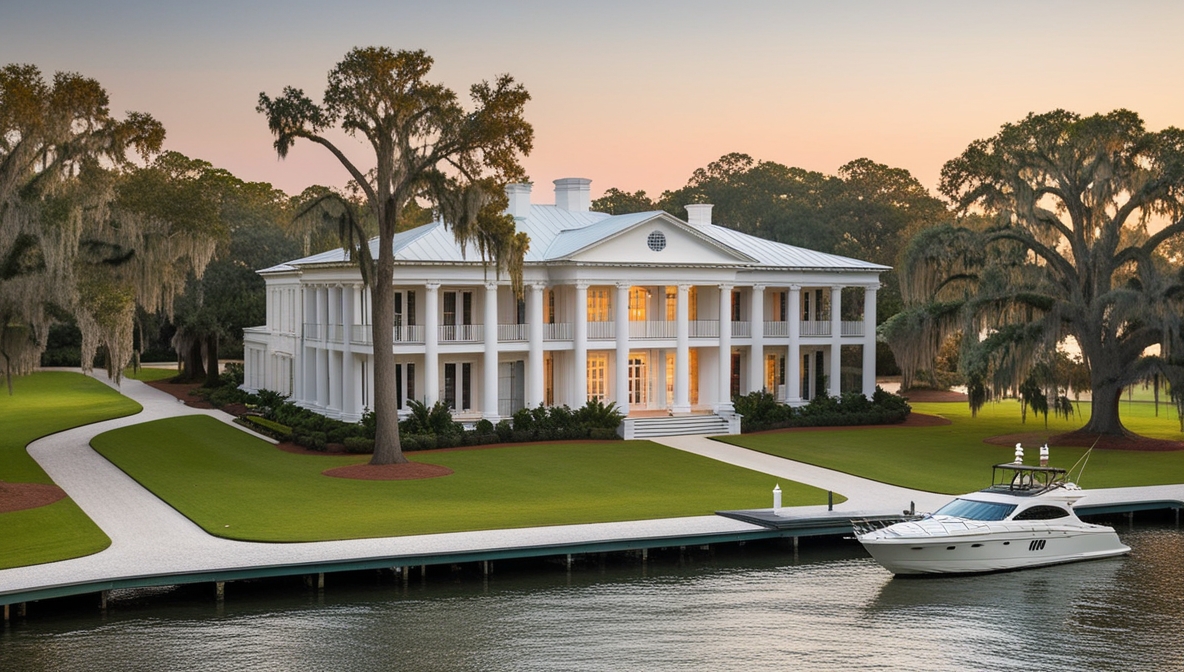
Luxury Living in the Lowcountry: Exploring High-End Communities
The Lowcountry of South Carolina, celebrated for its breathtaking scenery and deep-rooted culture, has established itself as a hub for luxury living. Combining historical elegance with modern convenience, this area is home to a range of upscale communities tailored to meet diverse preferences. What makes these communities so desirable? A harmonious balance of natural beauty,…
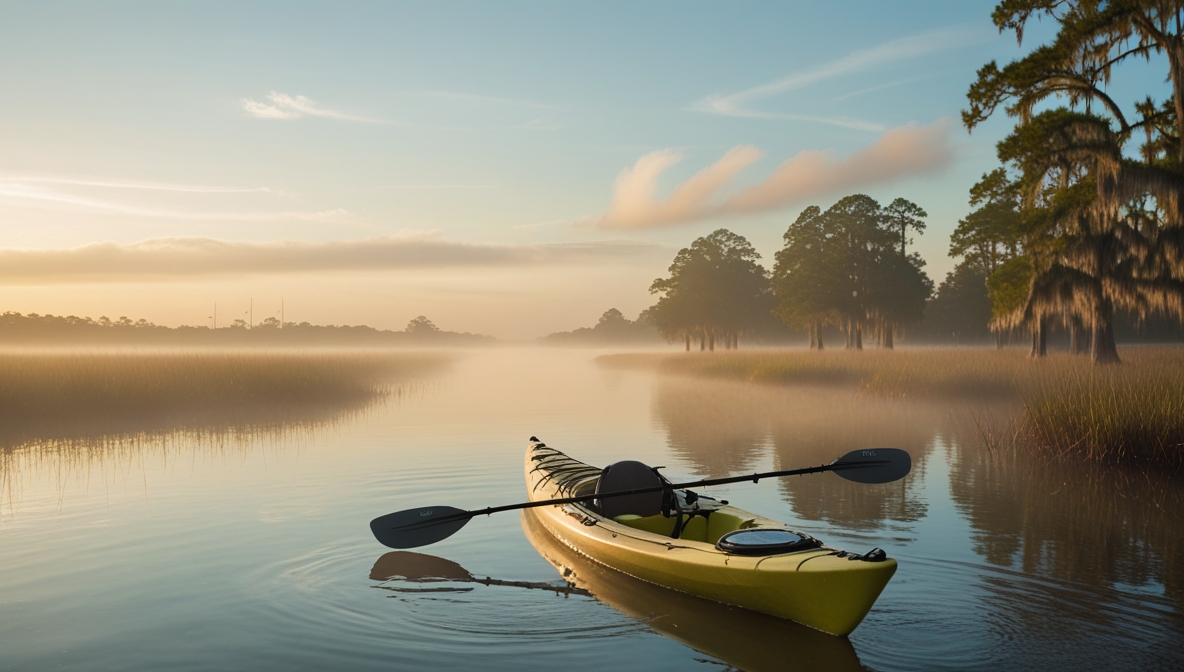
Exploring Tidal Schedules: The Best Times for Lowcountry Kayaking and Fishing
Understanding tidal schedules can significantly improve outdoor activities like kayaking and fishing in the Lowcountry. These waterways are deeply influenced by the ebb and flow of tides, impacting access, fish activity, and the overall experience. By aligning plans with the tides, enthusiasts can ensure safer, more productive outings. The Role of Tides in Outdoor Activities…